Table of Contents
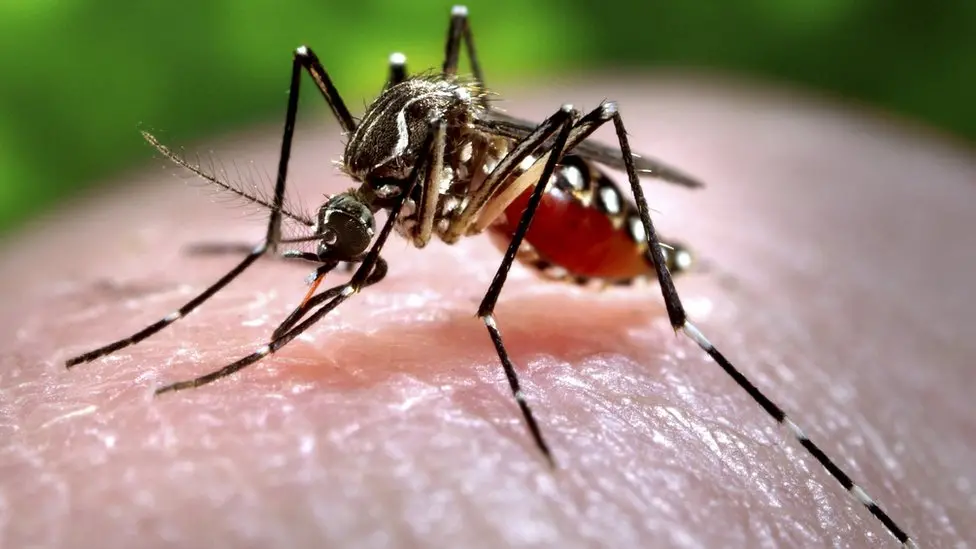
As monsoon rains drench Hyderabad and its neighboring districts, health authorities and hospitals are reporting an unsettling increase in seasonal illnesses. Rising humidity, lower temperatures, and stagnant water are creating prime conditions for a variety of ailments, from vector-borne diseases like dengue and chikungunya to viral fevers such as influenza.
Dengue & Chikungunya: Climbing Numbers
Across Telangana, vector-borne infections are scaling up. Between April and June 2025, the state logged 433 dengue cases, while chikungunya cases surged dramatically to 1,588, a significant jump compared to the previous year’s 170. Malaria also rose modestly from 70 to 74 cases.
In Hyderabad alone, public and private hospitals are seeing a marked uptick in dengue, chikungunya, and flu cases. The influx is heavy enough that major hospitals like Gandhi, Fever Hospital in Nallakunta, and Osmania General Hospital have ramped up patient care services.
Fever & Viral Illness: A Broad Spectrum Surge
Since June, outpatient departments, particularly at the Government Fever Hospital, are witnessing a daily inflow of 400 to 500 patients presenting with viral fevers. Physicians are diagnosing many as dengue, chikungunya, typhoid, or even COVID-19, stressing the necessity of prompt testing given overlapping symptoms. In the districts of Mahbubabad and Hanamkonda, public health officials report approximately 91 dengue cases. Mahbubabad alone has logged around 5,000 cases of viral fever, while Hanamkonda accounts for nearly 1,500. Proactive sanitation and preventive steps by local authorities are underway to manage the crisis.
Past Patterns: Alarming Record in 2024
Last year already foreshadowed current challenges. Telangana marked a troubling increase in seasonal outbreaks — recording 10,077 confirmed dengue cases and 13,592 suspected chikungunya cases, heightening concern over future monsoon seasons.
Hospital Initiatives & Expert Warnings
Aster Prime Hospital in Hyderabad has responded by inaugurating a 24/7 Fever Clinic to address the rising demand for immediate care. Doctors have cautioned against self-medication and emphasized early medical consultation for symptoms lasting beyond two days.
Experts also highlight that fluctuating temperatures compromise immunity, increasing susceptibility to infections ranging from flu to COVID-19, a dangerous “perfect storm” scenario during monsoon.
Respiratory Illness: Monsoon’s Hidden Threat
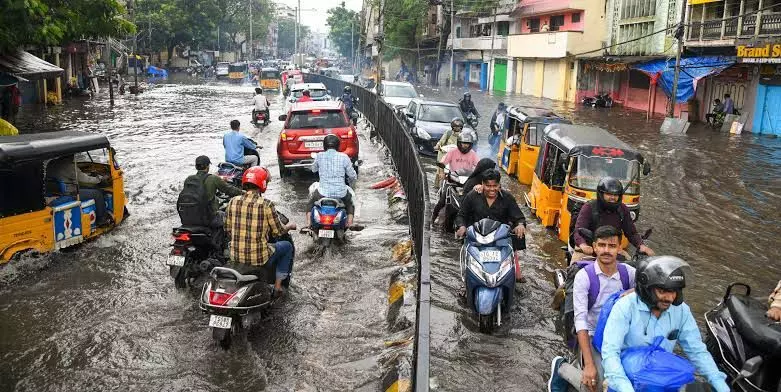
High humidity and damp indoor conditions foster the spread of respiratory infections. Studies show that respiratory ailments constitute 13 % of infections during monsoon, compared to just 4 % in summer, with factors like mould, poor ventilation, and lingering droplets playing significant roles.
Key Prevention Tips: What You Can Do Now
- Eliminate stagnant water weekly to curb mosquito breeding
- Ensure proper indoor hygiene, especially around damp areas prone to mould
- Use filtered or boiled water, maintain hand hygiene, and avoid street food
- Seek medical help early if experiencing prolonged fever, body ache, or respiratory symptoms
This monsoon, Hyderabad and Telangana are facing a pronounced spike in seasonal illnesses, from dengue and chikungunya to respiratory infections. Surveillance data, district-level trends, hospital reports, and proactive advisories collectively underscore the urgent need for vigilance and timely action. Simple preventive steps, increased public awareness, and healthcare readiness remain key to weathering this health season.