
In recent years, alarming headlines have reported the sudden deaths of seemingly healthy young people due to heart-related issues. From athletes collapsing mid-game to young professionals experiencing fatal cardiac arrests, the phenomenon has left families, communities, and health experts searching for answers.
According to cardiologists, this trend is not just a statistical anomaly — it’s a wake-up call. The human heart, though strong, is also extremely sensitive to lifestyle, environment, and genetics. When stress, unhealthy habits, and medical neglect intersect, the consequences can be deadly.
In this article, we’ll explore why Heart Problems are rising among young people and how a cardiologist’s perspective sheds light on prevention
Table of Contents
1. The Growing Crisis of Heart Problems in the Young
Heart disease has traditionally been viewed as a problem for older adults. However, recent medical data shows a worrying shift — more people in their 20s, 30s, and early 40s are experiencing heart attacks, arrhythmias, and sudden cardiac arrests.
A 2023 study in the Journal of the American Heart Association revealed that hospitalizations for heart attacks among young adults have increased by over 30% in the past decade.
2. Sedentary Lifestyle and Poor Fitness Levels
One of the biggest culprits, according to cardiologists, is the sedentary lifestyle that modern life encourages.
- Desk jobs, long hours in front of screens, and minimal physical activity weaken the cardiovascular system.
- Lack of regular exercise increases the risk of obesity, high blood pressure, and diabetes — all major contributors to heart problems.
Dr. Amit Sharma, a leading cardiologist, explains:
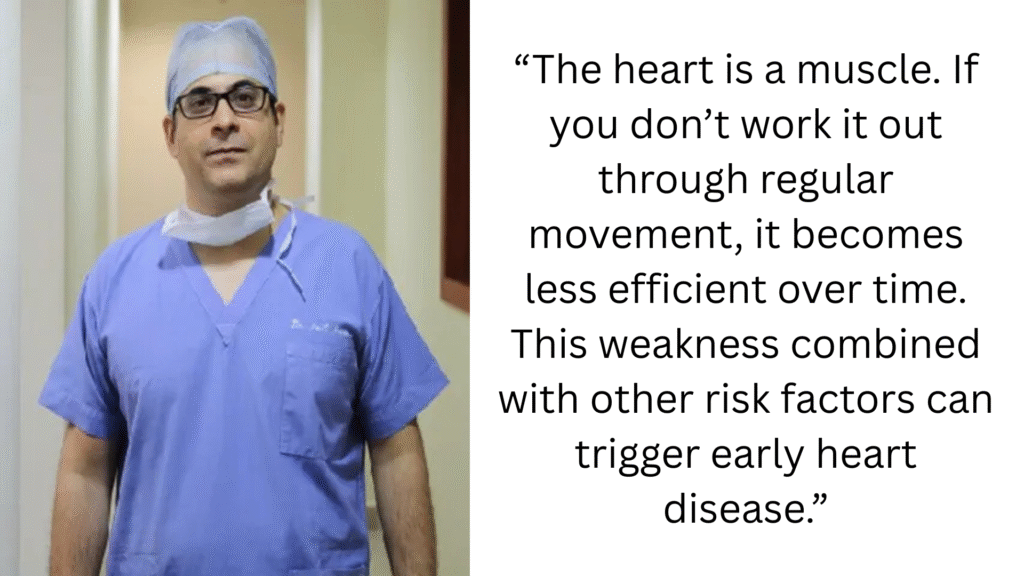
“The heart is a muscle. If you don’t work it out through regular movement, it becomes less efficient over time. This weakness combined with other risk factors can trigger early heart disease.”
3. Stress, Anxiety, and the Pressure to Perform
Today’s younger generation faces intense mental and emotional stress, from academic competition to financial pressure and social media comparison.
Chronic stress triggers the release of hormones like cortisol and adrenaline, which, in high levels can:
- Increase blood pressure
- Disrupt heart rhythms
- Damage blood vessels
Long-term exposure to stress can make the heart more vulnerable, even in otherwise healthy individuals.
4. Unhealthy Eating Habits
The rise of fast food, processed snacks, and sugar-loaded drinks has drastically altered dietary patterns.
A diet high in trans fats, refined carbohydrates, and excess sodium directly contributes to Heart Problems:
- High cholesterol
- Plaque buildup in arteries (atherosclerosis)
- Obesity-related heart strain
Many young people skip home-cooked meals and rely on quick, high-calorie options, unknowingly fueling long-term heart damage.
5. The Hidden Danger: Undiagnosed Medical Conditions
Some heart-related deaths occur because underlying conditions go unnoticed until it’s too late. Examples include:
- Hypertrophic cardiomyopathy (HCM) – abnormal thickening of the heart muscle
- Arrhythmias – irregular heartbeats that can cause sudden cardiac arrest
- Congenital heart defects – present from birth but undetected without screening
Routine health check-ups, ECGs, and echocardiograms can help detect these issues early, but many young people skip regular screenings due to lack of awareness.
6. Post-COVID Complications
Cardiologists have also observed post-COVID cardiac complications, even among young people who had mild infections. COVID-19 can cause:
- Myocarditis (inflammation of the heart muscle)
- Blood clot formation
- Long-term vascular damage
These complications can trigger sudden heart events if not properly managed.
7. Substance Abuse and Energy Drinks
The consumption of alcohol, recreational drugs, and even excessive energy drinks plays a dangerous role in heart health.
- Drugs such as cocaine and amphetamines can cause deadly arrhythmias and heart attacks, even in first-time users.
- Energy drinks often contain extremely high caffeine levels, which can increase heart rate and blood pressure.
8. Lack of Sleep
Sleep is not just rest — it’s when the body repairs and regulates itself. Poor sleep quality or chronic sleep deprivation:
- Raises stress hormone levels
- Impairs glucose metabolism
- Elevates blood pressure
A 2022 Harvard Medical School review found that people sleeping fewer than 6 hours per night have a 20% higher risk of Heart Problems.
9. Social Media and Unrealistic Body Trends
The rise of extreme fitness trends and unrealistic body ideals on social media has pushed some young people into dangerous crash diets, over-exercising, or taking unregulated supplements.
Such practices can cause electrolyte imbalances, dehydration, and strain on the heart, sometimes leading to cardiac arrest.
10. A Cardiologist’s Advice: Prevention is the Real Cure
Dr. Sharma emphasizes that prevention is far easier and more effective than treatment when it comes to heart health. His advice for young people includes:
✅ Get Regular Check-ups: Even if you feel fine, annual screenings can catch silent issues early.
✅ Exercise Daily: Aim for at least 30 minutes of moderate activity — walking, cycling, or swimming.
✅ Eat a Heart-Healthy Diet: Include more fresh fruits, vegetables, whole grains, and lean proteins.
✅ Manage Stress: Practice meditation, yoga, or hobbies to reduce mental pressure.
✅ Sleep Well: Aim for 7–8 hours of quality sleep each night.
✅ Limit Stimulants and Alcohol: Be mindful of caffeine, avoid excessive drinking, and stay away from drugs.
In Conclusion:
The tragic rise in young people dying from heart issues is a multifactorial problem — lifestyle, diet, stress, medical neglect, and in some cases, infections like COVID-19 all play a part.
The good news is, most heart problems are preventable with awareness, early detection, and consistent healthy habits.
Your heart beats about 100,000 times a day, it’s the most loyal organ you’ll ever have. Take care of it now, so it can take care of you for decades to come.